AMERICA’S BEAUTY EMPIRE
The Billion-Dollar Industry Reinventing Luxury, Science and Consumer Culture
By S.J.
From Manhattan’s luxury boutiques to Silicon Valley’s laboratories, the American beauty industry is undergoing a remarkable transformation. Driven by science, social media, entrepreneurial ambition and an increasingly sophisticated consumer, cosmetics have become one of the most resilient and innovative sectors of the U.S. economy.
There was a time when the cosmetics industry was primarily associated with lipstick, perfume and the glamorous advertising campaigns of international fashion houses. Today, beauty has evolved into something considerably more complex: a multibillion-dollar ecosystem encompassing biotechnology, artificial intelligence, digital commerce, dermatology, wellness and global investment.
America is at the center of this transformation.
While many traditional consumer industries struggle with inflation, changing purchasing habits and economic uncertainty, the American beauty market continues to demonstrate extraordinary resilience.
According to market research company Circana, U.S. prestige beauty retail sales reached $36 billion in 2025, representing annual growth of 4%. The mass-market beauty sector generated another $72.7 billion, increasing 5%.
Combined, these two retail segments accounted for approximately $108.7 billion in annual sales.
And the momentum has continued.
During the first nine months of 2026, prestige beauty sales reached $25.5 billion, an increase of 5% compared with the corresponding period of 2025. Mass-market beauty sales rose 7% to $57.4 billion.
These figures reveal an important characteristic of the industry: Americans may postpone purchasing a luxury automobile or expensive jewelry, but they remain remarkably reluctant to abandon products that contribute to their appearance, confidence and personal well-being.
Beauty, it seems, is no longer simply a discretionary purchase. It has become an integral part of contemporary consumer culture.
The New Economics of Beauty
The American cosmetics industry occupies an unusual position within the luxury economy.
Unlike expensive watches, designer handbags or automobiles, beauty products offer consumers an accessible form of indulgence.
A $70 facial serum or a $150 fragrance can provide an emotional experience associated with luxury without requiring the financial commitment of a major purchase.
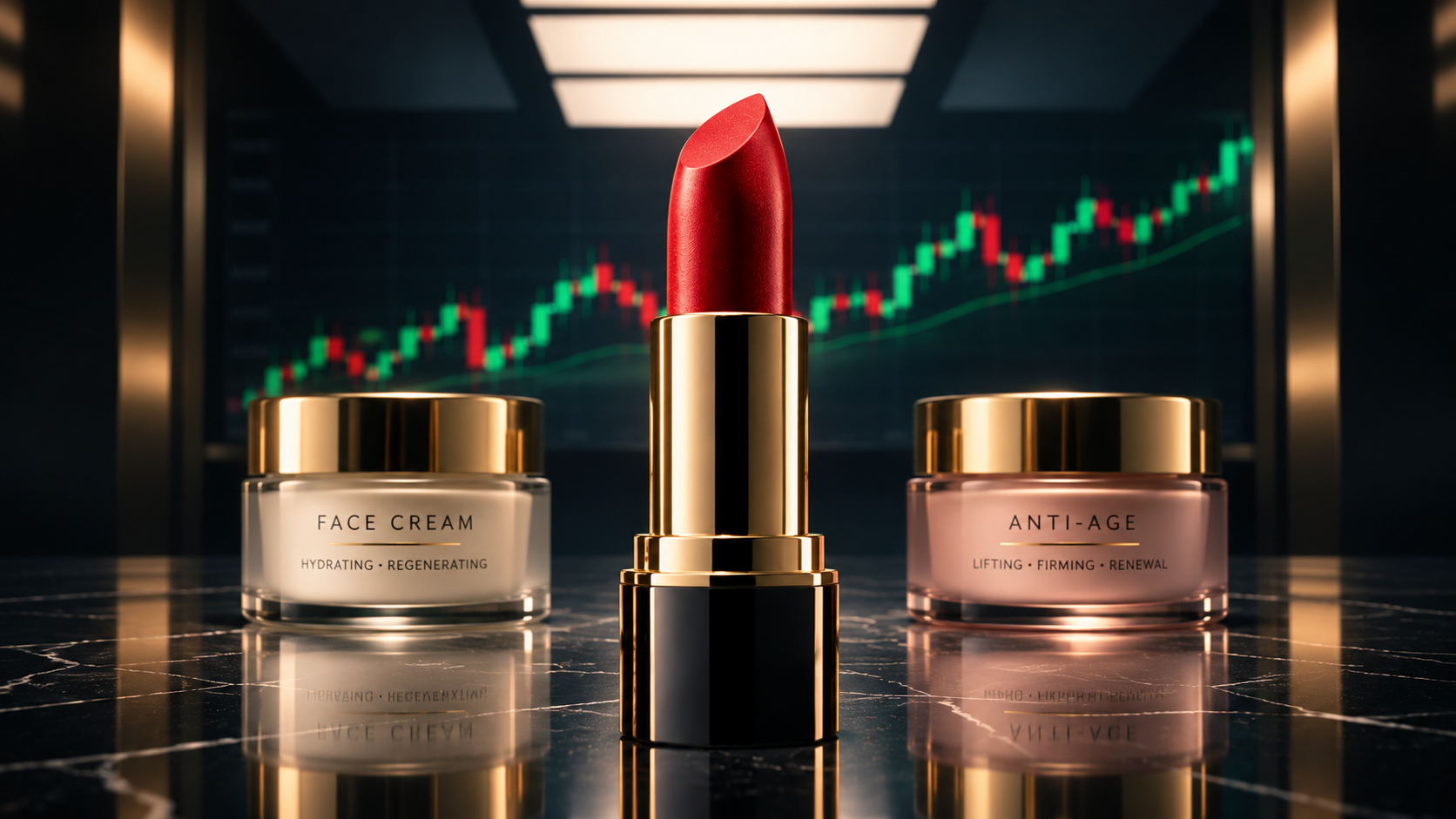
This phenomenon is frequently associated with the so-called lipstick effect, a theory popularized by Leonard Lauder, the former chairman of Estée Lauder, who observed that consumers sometimes increase their purchases of relatively inexpensive luxuries during periods of economic uncertainty.
The theory does not apply uniformly across economic cycles, but its underlying psychology remains relevant.
In 2026, American consumers are increasingly selective rather than simply reducing their beauty expenditures.
They may purchase an affordable mascara while simultaneously investing in an expensive skincare treatment. They may abandon one premium brand but remain loyal to another that offers demonstrable results.
This behavior is reshaping the traditional distinction between luxury and mass-market cosmetics.
The winners are no longer necessarily the companies charging the highest prices. They are those capable of demonstrating the greatest perceived value.
Skincare: When Cosmetics Meet Biotechnology
Perhaps the most significant structural transformation in American beauty is occurring in skincare.
Consumers are moving beyond products promising superficial improvements toward formulations associated with prevention, dermatological research and measurable effectiveness.
Ingredients such as retinoids, peptides, niacinamide, ceramides and hyaluronic acid have entered mainstream consumer vocabulary.
Increasingly, customers want to understand not only what a product does, but why it works.
The commercial consequences are substantial.
During the first nine months of 2026, prestige skincare sales in the United States reached approximately $7.4 billion, increasing 7% year over year.
Mass-market skincare grew by nearly 8%.
Products addressing skin aging, hydration, pigmentation and barrier protection have become particularly important.
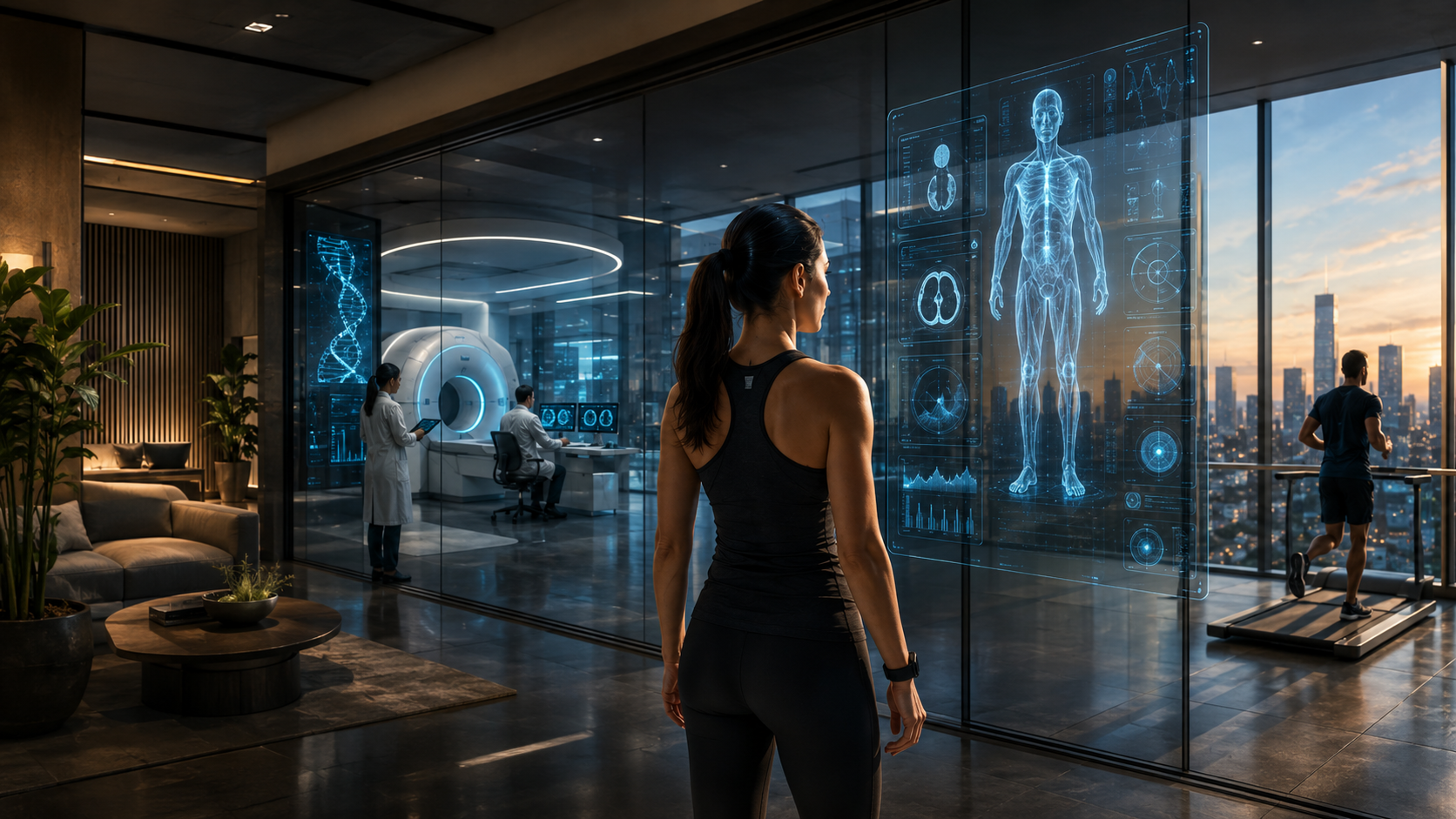
The growing relationship between beauty and longevity is also creating opportunities for companies operating at the intersection of cosmetics, biotechnology and preventive medicine.
However, scientific credibility matters.
Claims concerning cellular rejuvenation, collagen stimulation or biological aging must be distinguished from established clinical evidence. Consumers are becoming more knowledgeable, and regulators remain attentive to misleading product claims.
For sophisticated companies, the opportunity lies in developing products supported by rigorous research rather than extravagant promises.
In the coming decade, the most valuable skincare brands may increasingly resemble specialized scientific enterprises with sophisticated consumer marketing operations.
The Rise of the American Beauty Entrepreneur
The American beauty industry has produced an extraordinary generation of entrepreneurs.
Historically, the sector was dominated by established international corporations, including Estée Lauder, L’Oréal, Coty and major luxury conglomerates.
Today, independent brands can achieve international recognition with remarkable speed.
The transformation began with digital-first companies that challenged conventional distribution.
Glossier, founded by Emily Weiss, demonstrated how an engaged online community could become the foundation of a cosmetics business.
Rather than relying exclusively on traditional advertising, the company built relationships with consumers through editorial content, social interaction and a distinctive visual identity.
Rihanna’s Fenty Beauty subsequently demonstrated the commercial potential of inclusive product development.
By offering an extensive range of foundation shades, the brand challenged an industry that had historically underserved substantial portions of its customer base.
Other successful businesses have emerged around individual personalities, specialized product categories and highly engaged online audiences.
What these companies share is an understanding that cosmetics are no longer merely physical products.
They are expressions of identity.
Consumers increasingly purchase a brand’s philosophy, community and cultural relevance alongside its actual merchandise.
Yet celebrity recognition alone does not guarantee commercial success.
Customer retention, product quality, distribution economics and profitability ultimately determine whether a fashionable launch becomes a sustainable enterprise.
Social Media Has Rewritten the Rules
Few industries have been transformed as dramatically by social media as cosmetics.
A generation ago, beauty companies invested enormous sums in television commercials, magazine advertising and celebrity endorsements.
Today, a product demonstrated in a short online video can generate international demand almost overnight.
TikTok, Instagram and YouTube have fundamentally altered how consumers discover, evaluate and purchase cosmetics.
Beauty influencers have become powerful intermediaries between manufacturers and customers.
Some possess audiences larger than those of established fashion magazines.
The consequences extend beyond marketing.
Product development itself is increasingly influenced by online conversations.
A particular shade of blush, a skincare ingredient or an unusual lip treatment can become commercially significant because millions of consumers encounter it through digital content.
However, this new model creates risks.
Viral popularity can disappear as quickly as it emerges.
Brands dependent on a single influencer, product or social-media trend may experience extraordinary initial sales followed by equally dramatic declines.
Furthermore, customer acquisition costs can become substantial as competition for digital attention intensifies.
The next generation of successful beauty companies will therefore need to combine digital creativity with traditional business discipline.
Artificial Intelligence Enters the Dressing Room
Artificial intelligence is rapidly becoming another competitive frontier.
Beauty companies are experimenting with technologies capable of analyzing skin characteristics, recommending products and simulating cosmetic applications.
Virtual try-on systems allow consumers to evaluate lipstick shades, foundation colors and other products without physically visiting a store.
Personalized skincare platforms attempt to match formulations with individual preferences and characteristics.
For retailers, these technologies offer the possibility of improving customer engagement and reducing unsuitable purchases.
For manufacturers, artificial intelligence can assist with demand forecasting, inventory management, marketing analysis and certain aspects of product development.
Nevertheless, the industry must navigate important questions concerning privacy, accuracy and the responsible handling of consumer information.
A digital skincare recommendation is not equivalent to a medical diagnosis.
Companies that understand this distinction will be better positioned to establish lasting consumer trust.
Fragrance: The Unexpected Star
One of the most interesting developments in American beauty is the renewed popularity of fragrance.
For years, perfume was considered a relatively mature category dominated by established luxury houses.
That perception has changed.
During the first nine months of 2026, U.S. prestige fragrance sales reached approximately $6.2 billion, increasing 5%.
In mass-market retail, fragrance sales rose an impressive 15%.
Younger consumers are increasingly interested in personal scent as an expression of individuality.
They experiment with fragrance layering, smaller bottles, discovery sets and products offering distinctive olfactory identities.
The industry has responded with a growing number of niche fragrance houses, premium formulations and unconventional collaborations.
Fragrance also benefits from an important commercial characteristic: emotional attachment.
A particular scent can become associated with personal memories, relationships or experiences.
This creates opportunities for brand loyalty that extend beyond purely functional product characteristics.
Sustainability: From Marketing Language to Commercial Necessity
Environmental responsibility has become an increasingly important consideration for American cosmetics companies.
Consumers are asking questions about packaging, ingredient sourcing, animal testing, manufacturing processes and the environmental consequences of disposable products.
Refillable packaging, recycled materials and concentrated formulations are attracting growing attention.
However, sustainability presents a commercial challenge.
Environmentally preferable packaging may be more expensive to manufacture or distribute.
Some alternative materials create their own environmental problems.
Furthermore, claims such as “natural,” “clean” or “green” do not automatically establish that a product is safer or more sustainable.
The most credible companies are moving toward measurable environmental performance rather than vague marketing declarations.
Transparency is becoming an important competitive asset.
Wall Street and the Beauty Business
For investors, the cosmetics industry offers a combination of attractive characteristics.
Successful beauty brands can generate recurring purchases, strong gross margins and considerable international expansion opportunities.
The sector also provides multiple potential exit strategies.
Independent brands may be acquired by multinational corporations seeking innovation, younger customers or access to specialized categories.
Private equity investors may pursue opportunities to consolidate fragmented brands, improve distribution and professionalize management.
However, the economics of beauty investing require careful analysis.
A rapidly growing brand is not necessarily profitable.
Marketing expenditure, retailer margins, product development costs and inventory requirements can absorb substantial capital.
The distinction between consumer enthusiasm and sustainable earnings is critical.
The most attractive acquisition targets are generally those combining authentic brand differentiation, repeat purchasing behavior, disciplined financial management and credible opportunities for expansion.
In an industry where trends can change rapidly, durable customer relationships are often more valuable than temporary popularity.
The Next Frontier: Beauty, Health and Longevity
The convergence of cosmetics and wellness may ultimately represent the industry’s most important long-term opportunity.
American consumers increasingly associate appearance with broader concepts of health, prevention and quality of life.
Skincare is becoming connected with dermatology.
Haircare is increasingly associated with scalp health.
Sun protection is viewed as an essential preventive measure rather than simply a seasonal accessory.
The distinction between cosmetic products, wellness services and certain medical treatments is becoming commercially less rigid, even though the regulatory distinctions remain important.
This creates opportunities for partnerships among beauty companies, research laboratories, dermatologists and specialized wellness businesses.
It also creates potential for entirely new categories of products and services.
The challenge will be translating scientific developments into commercially viable offerings without compromising credibility.
An Industry That Sells More Than Beauty
The American cosmetics industry is entering a period of significant opportunity, but also unprecedented competition.
Its future will be determined by the interaction of science, technology, consumer psychology and financial discipline.
Established corporations possess distribution networks, research capabilities and substantial financial resources.
Independent entrepreneurs bring creativity, speed and an ability to identify emerging cultural movements.
Digital platforms provide unprecedented access to consumers while simultaneously increasing competitive pressure.
And customers, better informed and more demanding than ever, are redefining what constitutes genuine value.
The industry has demonstrated that beauty can remain commercially resilient even when economic conditions become challenging.
But the next chapter will require more than attractive packaging, celebrity endorsements or fashionable marketing.
It will require innovation supported by evidence, operational excellence and an authentic understanding of consumer expectations.
America’s beauty industry is no longer simply selling the promise of looking better. It is increasingly selling confidence, individuality, well-being and the possibility of aging differently.